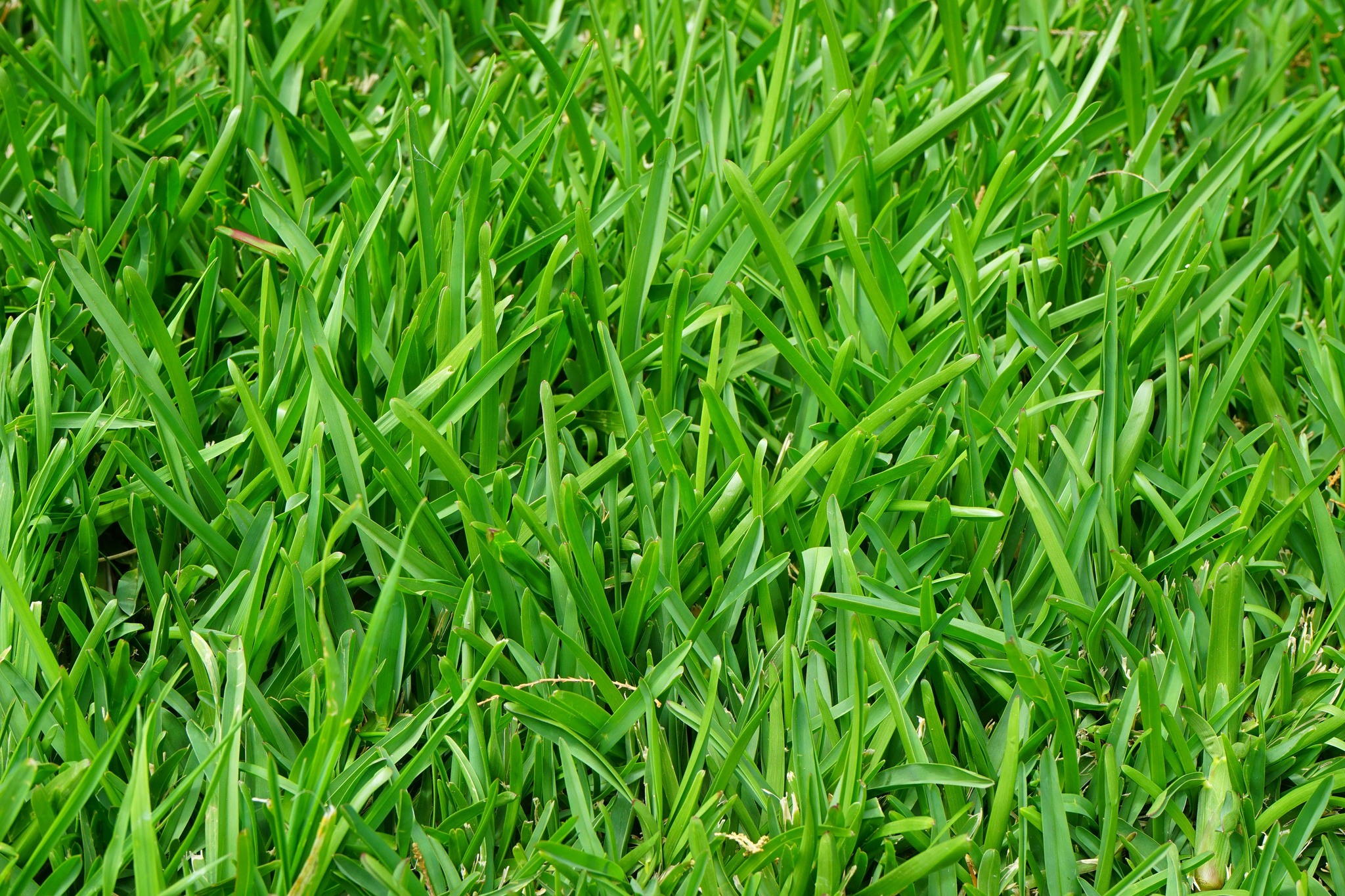

Turf Grasses – Introduction
As fall approaches, it’s time to consider reseeding your lawn for a denser, greener, and more resilient appearance. Reseeding can enhance your lawn’s appearance and health in several ways, including improved density and color, a more uniform look, increased disease and pest resistance, and reduced weed growth.
Choosing the right seed can be overwhelming; I’ve been there a few times. Let’s start by understanding how grass grows and the perfect time for seeding.
Rhizomes are underground stems that spread horizontally and produce new shoots and roots at intervals. This allows the grass to spread and fill in bare spots. (Kentucky Bluegrass)
Stolons: These above-ground stems spread horizontally and produce new plants at nodes along the stem. (Poa trivialis)
Tillers: These are new shoots that grow from the base of the plant, helping to thicken the grass and make it more resilient. (Tall Fescue).
Bunch: Bunch grasses grow in clumps or tufts. They do not spread horizontally through rhizomes or stolons but produce new tillers within the clump. (Perennial Rye)
Seasonal Growth
Cool-Season Grasses: These grasses grow most actively in the cooler temperatures of spring and fall.
Warm-Season Grasses: These grasses thrive in the warmer temperatures of summer.
Each type of grass has a unique growth pattern and requirements, so choosing the right type for your specific needs and climate is important.